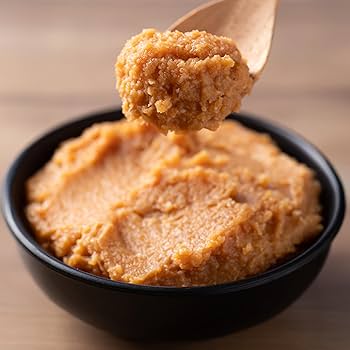
In the biohacking and functional nutrition world, miso is often categorized as a top-tier probiotic. But there is a massive gap between a commercial condiment and a therapeutic tool. If you are consuming miso to optimize your microbiome, you need to understand the biochemistry of the ferment.
Most of the miso sold today is biologically inactive. The reason? Pasteurization.
The Pasteurization Problem
To make miso shelf-stable, manufacturers heat-treat the final product. While this prevents the jars from expanding during shipping, it effectively kills the microbial community. If your miso is sitting on a room-temperature shelf, it is dead. You are still getting the minerals and amino acids, but you are missing the primary objective: the live enzymes and probiotic cultures.
To biohack your microbiome, you must source unpasteurized or “raw” miso that has been refrigerated since the moment it was packed.
The Science of Bacillus Subtilis
The reason raw miso is a superior probiotic source is a specific, hardy bacterium called Bacillus subtilis.
Unlike the fragile Lactobacillus strains found in most commercial yogurts, B. subtilis is a spore-forming bacterium. This structure allows it to survive the low pH of stomach acid to reach the small intestine and colon intact. Once there, it acts as a policing agent, crowding out pathogens and supporting the growth of your native flora. Raw miso also contains active protease and amylase enzymes that assist in protein and carbohydrate digestion, reducing the metabolic burden on your pancreas.
Why Chickpea Miso is a Strategic Alternative
For those focused on longevity and minimizing systemic inflammation, chickpea miso is often a better choice than traditional soy versions:
- Lectin Neutralization: The long-term fermentation process breaks down the lectins and phytates in chickpeas, making the nutrients bioavailable and reducing the bloating often associated with legumes.
- Prebiotic Synergy: Chickpeas provide a specific carbohydrate profile that acts as a prebiotic, fueling the Bacillus strains while they are still in the jar.
- Soy-Free Protocol: It avoids the concerns regarding phytoestrogens and glyphosate exposure often linked to non-organic soy, offering the same enzymatic benefits without the potential hormonal interference.
The Protocol: Making Your Own Chickpea Miso
Making your own miso is the only way to ensure 100% enzymatic activity and total control over the fermentation timeline.
Ingredients
- Organic Dried Chickpeas (500g): Soaked for 24 hours.
- Koji Rice (500g): This is your starter culture (Aspergillus oryzae).
- Sea Salt (approx. 200g): High-quality, non-iodized salt is critical to inhibit pathogenic growth.
The Process
- Cook the Base: Boil chickpeas until very soft. Reserve a small amount of the cooking liquid.
- The Temperature Gate: Let the chickpeas cool to below 40°C. This is non-negotiable; adding Koji to hot beans will kill the fungi and bacteria instantly.
- Inoculation: Mash the chickpeas into a paste. Mix in the Koji and salt. Add the reserved liquid until the mixture reaches a firm, clay-like consistency.
- Anaerobic Packing: Pack the mixture into a glass or ceramic jar, pressing down firmly to remove all air pockets.
- The Seal: Sprinkle a layer of salt on top to prevent mold and weight the mixture down with a clean stone or weight.
- Fermentation: Store in a cool, dark place. A “sweet” chickpea miso is ready in 3–4 weeks, while a deep, therapeutic ferment should age for 3–6 months.
Protecting the Microbiome Benefits
You cannot treat raw miso like a standard cooking ingredient. High heat is the enemy of the microbiome. If you boil it, you are pasteurizing it yourself.
- The Slurry Method: Always remove your soup or dish from the heat source first. Whisk the raw miso into a small amount of warm liquid separately, then stir it back into the pot.
- Raw Applications: Use chickpea miso in salad dressings, tahini sauces, or as a savory spread to ensure the B. subtilis and active enzymes enter your system in their most potent, living state.
True gut health isn’t about how many fermented foods you eat; it’s about the biological viability of those foods. If it isn’t raw, it isn’t medicine.
Go Deeper on Probiotics
Learn about the two spore-forming probiotic strains that actually survive stomach acid and reach your gut intact.
Read the Probiotic Guide